How to Plan for a Diamond Purchase Without Breaking the Bank
Jul 18,2024
Purchasing diamond jewelry can be a significant investment, but with careful planning and smart strategies, you can find a beautiful piece that fits your budget. Here's an in-depth guide to help you plan for a diamond purchase without breaking the bank.
1. Set a Budget
The first step in planning a diamond purchase is to set a budget. This helps you narrow down your options and prevents you from overspending. Determine how much you’re willing to spend by considering your financial situation and future expenses. Once you have a clear budget, stick to it.
2. Educate Yourself on the 4 Cs
Understanding the 4 Cs—cut, clarity, color, and carat weight—is crucial in making an informed diamond purchase. Each of these factors significantly impacts a diamond's appearance and value. Here's a brief overview:
- Cut: The cut of a diamond determines how well it reflects light, which affects its brilliance and sparkle. Even with lower color or clarity grades, a well-cut diamond can appear stunning.
- Clarity: Clarity refers to the presence of internal or external flaws, known as inclusions and blemishes. Diamonds with minor inclusions that are not visible to the naked eye can be more affordable.
- Color: Diamond color is graded on a scale from D (colorless) to Z (light yellow or brown). Near-colorless diamonds (G-H range) can appear just as beautiful as colorless diamonds (D-F range) but cost less.
- Carat Weight: Carat weight measures the size of the diamond. Larger diamonds are more expensive, but choosing slightly below popular carat weights (e.g., 0.9 carats instead of 1 carat) can save money.
By prioritizing these characteristics according to your preferences, you can maximize the value you get for your budget .
3. Prioritize What Matters Most
Decide which of the 4 Cs is most important to you. For instance, if sparkle is your top priority, focus on the cut quality. If you prefer a larger diamond, you might opt for a slightly lower clarity or color grade to stay within budget. Balancing these factors helps you get the most out of your purchase .
4. Consider Lab-Grown Diamonds
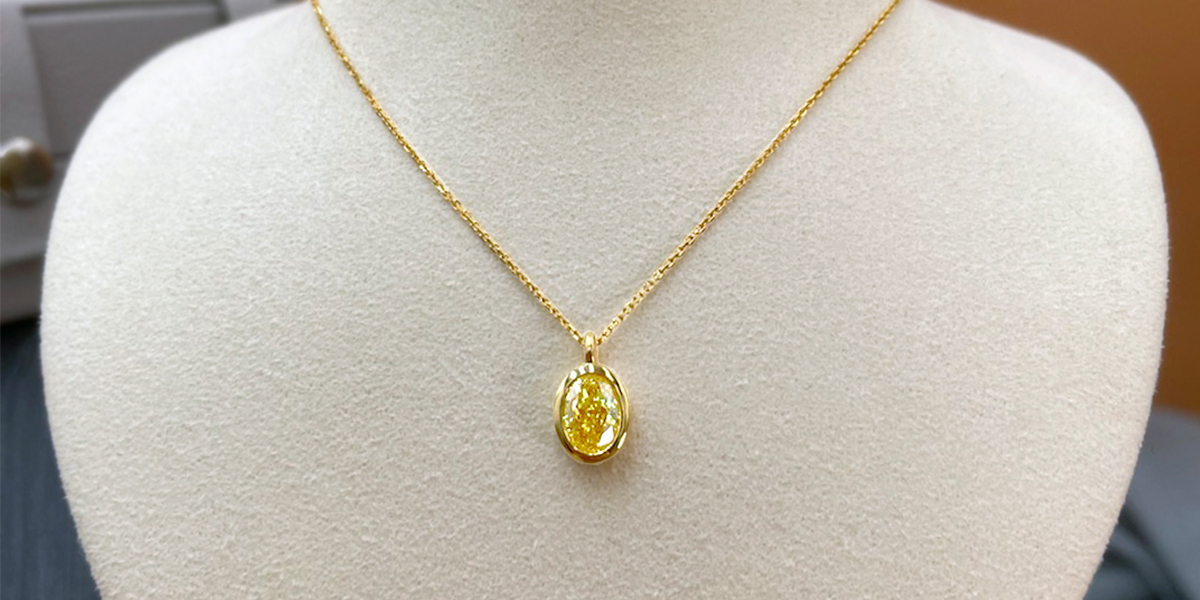
Lab-grown diamonds are real diamonds created in a controlled environment. They are typically 20-40% less expensive than natural diamonds but offer the same beauty and durability. Lab-grown diamonds are also an ethical choice, as they do not involve the environmental and social issues associated with mining .
5. Explore Diamond Alternatives
Consider alternatives like moissanite or cubic zirconia, which offer a similar appearance to diamonds at a fraction of the cost. Moissanite, in particular, has a high brilliance and durability, making it a popular choice for budget-conscious buyers .
6. Buy Loose Diamonds
Purchasing a loose diamond and then having it set in a ring or piece of jewelry can be more cost-effective than buying a pre-set piece. This approach gives you more control over the quality and cost of both the diamond and the setting .
7. Shop Around and Compare Prices
Take the time to visit multiple jewelers and compare prices. Online retailers often offer competitive prices and a wider selection. Use comparison tools to ensure you’re getting the best deal. Shopping around also allows you to see different styles and options, helping you make a more informed decision .
8. Look for Sales and Discounts
Many jewelers offer sales around holidays, such as Valentine's Day, Christmas, or Black Friday. Plan your purchase around these times to take advantage of discounts. Sign up for newsletters from jewelry stores to receive notifications about upcoming sales .
9. Consider Pre-Owned or Vintage Diamonds
Pre-owned or vintage diamond jewelry can offer significant savings. These pieces often have unique designs and can be a great value for high-quality diamonds. Ensure that pre-owned diamonds come with proper certification and appraisal to verify their quality .
10. Negotiate
Don’t be afraid to negotiate the price with the jeweler. Many jewelers are willing to offer discounts, especially if you’re making a significant purchase. Building a good rapport with the jeweler can also lead to better deals .
11. Take Advantage of Financing Options
Some jewelers offer financing plans with low or no interest. This can help you spread out the cost over time without paying a large sum upfront. Just be sure to read the terms carefully and avoid high-interest plans that could lead to debt .
12. Plan for Long-Term Savings
If you’re not in a rush, start saving early. Set aside a small amount of money each month in a dedicated savings account for your diamond purchase. This approach makes the expense more manageable over time .
13. Avoid Unnecessary Extras
Focus on the diamond itself rather than expensive settings or additional features. You can always upgrade the setting later when you have more funds available. Simple settings can still be elegant and highlight the beauty of the diamond .
14. Get the Diamond Appraised
Before finalizing your purchase, have the diamond appraised by an independent gemologist to ensure its value matches the price. This step can prevent you from overpaying and provides peace of mind knowing you’ve made a wise investment .
15. Ensure Proper Certification
Make sure the diamond comes with a certification from a reputable gemological laboratory, such as the GIA or AGS. This certification ensures the diamond’s quality and authenticity, protecting your investment. Certified diamonds tend to retain their value better and provide a level of trust in your purchase .
Conclusion
Planning for a diamond purchase without breaking the bank involves setting a budget, educating yourself on the 4 Cs, and exploring various buying options. By prioritizing what matters most to you, shopping around, and taking advantage of sales and financing options, you can find a beautiful diamond that fits your budget. Remember, a well-planned purchase not only saves you money but also ensures you get the best value and quality for your investment.
By following these tips, you can confidently navigate the diamond market and make a purchase that brings joy and value without straining your finances.
Comment

-6.jpeg?w=1500&h=1500)
-14.jpeg?w=1500&h=1500)
-16.jpeg?w=1500&h=1500)
-1.jpeg?w=1500&h=1500)